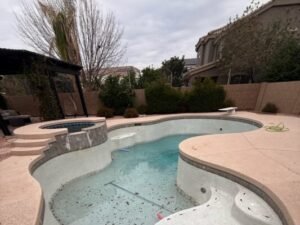

Sonar leak detection in Mesa, Arizona is the most accurate and non-invasive way to locate underground, slab, pool, and main water line leaks without destructive excavation. Using advanced acoustic technology, trained specialists detect the exact sound frequency of escaping water inside pressurized pipes even beneath concrete foundations and desert caliche soil. If you suspect a hidden leak, professional Leak Detection Services can determine the problem within inches, saving thousands in unnecessary repairs.
Water leaks in Mesa aren’t just inconvenient they waste precious Arizona water, increase utility bills, and can cause severe structural damage. This guide explains how sonar leak detection works, why it’s critical for Mesa properties, and what homeowners should expect from professional leak location services.
What Is Sonar Leak Detection?
Sonar leak detection (also called acoustic or ultrasound leak detection) is an advanced electronic method used to locate pressurized water leaks underground, beneath slabs, inside pool plumbing, and within irrigation systems.
Instead of digging blindly, technicians use highly sensitive acoustic equipment to listen for the unique vibration created when water escapes from a pipe under pressure.
This method is especially effective in Mesa because:
- Pipes are often buried beneath hard caliche soil
- Concrete slab foundations hide plumbing systems
- Extreme heat causes pipe expansion and cracking
- Desert landscaping conceals underground irrigation leaks
Sonar technology allows leaks to be located without tearing up floors, patios, or landscaping.
How Sonar Leak Detection Works in Mesa Homes
1. Precision Pressure Testing
The plumbing system is isolated and pressure-tested using sensitive gauges to confirm whether a leak exists and identify the affected line.
2. Calibrated Air-Water Mixture
If a leak is confirmed, a carefully calibrated air-water mixture is introduced into the pipe. This enhances the acoustic signature of the leak.
3. Acoustic Amplification
Escaping air and water create vibrations that travel through:
- Pipe material
- Concrete slab
- Caliche soil
- Surrounding desert terrain
4. Ultrasound Surface Detection
Technicians use professional sonar equipment with headphones and digital frequency displays to trace the strongest acoustic signal and pinpoint the leak location.
Why Sonar Leak Detection Is Critical in Mesa, Arizona
Mesa’s Caliche Soil Conditions
Mesa soil contains dense caliche layers that:
- Stress and crack underground pipes
- Make excavation extremely expensive
- Alter sound travel patterns (requiring expert interpretation)
Experienced technicians must understand how acoustic signals behave in Arizona’s desert terrain.
Extreme Desert Temperatures
Mesa regularly exceeds 110°F in summer and can approach freezing in winter. These temperature swings cause:
- Thermal pipe expansion and contraction
- Joint stress and separation
- Accelerated pipe deterioration
- Increased slab leak risk
Arizona Water Conservation
In the Sonoran Desert, water is valuable. Even a small slab leak can waste:
- 30–50 gallons per day
- Hundreds of dollars annually
- Thousands of gallons over time
Early detection protects both your home and Arizona’s water supply.
Types of Leaks Sonar Detection Finds in Mesa
Slab Leaks
- Pipes under concrete foundations
- Warm spots on tile floors
- Cracked flooring or mold issues
Sonar can often locate slab leaks within inches, minimizing floor removal.
Underground Pool Plumbing Leaks
Common in Mesa due to heavy pool use and desert heat:
- Return lines
- Suction lines
- In-floor cleaning systems
- Heater connections
- Lines under decking
Precise detection prevents unnecessary deck demolition.
Main Water Line Leaks
From the street to your home:
- High water bills
- Yard sinking or soil erosion
- Driveway cracking
Irrigation System Leaks
Often unnoticed but damaging:
- Over-saturated desert landscaping
- Foundation moisture
- Uneven watering zones
The Sonar Leak Detection Process
Step 1: Consultation
Signs may include:
- High Mesa water bills
- Running water sounds
- Warm floor areas
- Pool water loss beyond evaporation
Step 2: System Isolation & Testing
Confirms the leak and identifies the affected plumbing section.
Step 3: Acoustic Pinpointing
Using sonar equipment, technicians map sound intensity and identify the leak’s precise location.
Step 4: Thermal Imaging (When Applicable)
Infrared cameras verify temperature anomalies from hot or cold water leaks.
Step 5: Marking & Documentation
Professional providers supply:
- Precise measurements
- Marked access point
- Written report for plumbers
- Photo documentation
Advantages of Sonar Leak Detection Over Traditional Methods
Pinpoint Accuracy
- Often within 2–6 inches
- Minimal tile removal
- Reduced deck cutting
Non-Invasive
No exploratory digging. No blind demolition.
Faster Repairs
Detection usually takes 1–3 hours, allowing immediate repair scheduling.
Cost Savings
Avoids:
- Large slab demolition
- Major landscape damage
- Extended mold remediation
Cost of Sonar Leak Detection in Mesa
Residential sonar leak detection in Mesa typically ranges from $300–$600, depending on complexity.
Compared to:
- Exploratory slab removal: $1,000–$5,000
- Pool deck reconstruction: $2,000–$10,000
- Mold remediation: $500–$6,000
Professional detection often pays for itself immediately.
Signs You Need Sonar Leak Detection in Mesa
Water Bill Red Flags
- 20%+ unexplained increase
- Water meter moving when fixtures are off
Audible Signs
- Hissing behind walls
- Running water sounds at night
Physical Indicators
- Warm floor spots
- Musty odors
- Yard wet spots
- Sinking desert soil
Pool-Specific Warning Signs
- Losing more than ¼ inch daily in summer
- Air bubbles in return lines
- Constant need to refill
Choosing a Sonar Leak Detection Company in Mesa
When selecting a provider, look for:
- Experience with Mesa caliche soil
- Combined sonar + thermal imaging capability
- Documented accuracy record
- Detailed reporting
- Strong contractor referrals
Experience interpreting acoustic signals in Arizona conditions makes the difference between guessing and precision.
Frequently Asked Questions
How accurate is sonar leak detection?
Professional sonar detection can pinpoint leaks within 2–6 inches, sometimes closer.
Does sonar damage my property?
No. The process is completely non-invasive.
How long does detection take?
Most Mesa residential properties take 1–3 hours.
Is sonar worth it?
Yes. It prevents unnecessary demolition and reduces total repair costs significantly.
Protect Your Mesa Property with Advanced Sonar Leak Detection
Hidden leaks in Mesa’s desert environment can cause foundation damage, pool deterioration, landscaping loss, and skyrocketing water bills. Sonar leak detection provides the precision, speed, and non-invasive accuracy needed to protect your property.
If you suspect a leak in your home, slab, pool, or irrigation system, professional Leak Detection Services can deliver the clarity and confidence you need without destructive guesswork.